A (Live) List of Things You Can Do To Save the Planet

Look, I won’t beat around the bush: our beautiful planet (you know, the big blue and green one we rely on to stay alive) is in pretty bad shape.
As I’m writing this, there are sweltering heatwaves and violent storms across the US and Europe, apocalyptic wildfires in Canada, droughts and floods in China, record-low levels of Antarctic sea ice, and record-high ocean temperatures. And these are just off the top of my head. The climate craziness is just about everywhere we look.
This, my pedigree chums, is the stark reality of living on a rapidly warming planet.
Beyond the direct impacts of climate change, there’s also the exhausting feeling that, as individuals, there’s nothing we can do about it. But that’s simply not true. Every one of us can make a difference.
In my work as a sustainability copywriter, I’ve picked up quite a few good ideas about how to help save the planet, so I’ve decided to make them into a running list. Some are obvious (to serve as reminders), while others, I hope, prove genuinely useful.
If you have any tips of your own, please leave them in the comments below.
Food and Drink
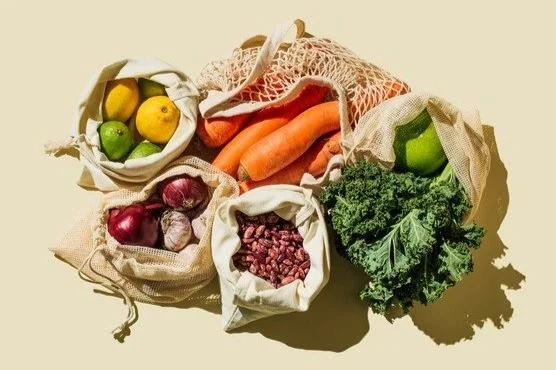
Sustainble food is good for you and the planet.
Try to eat more foods that are naturally sustainable
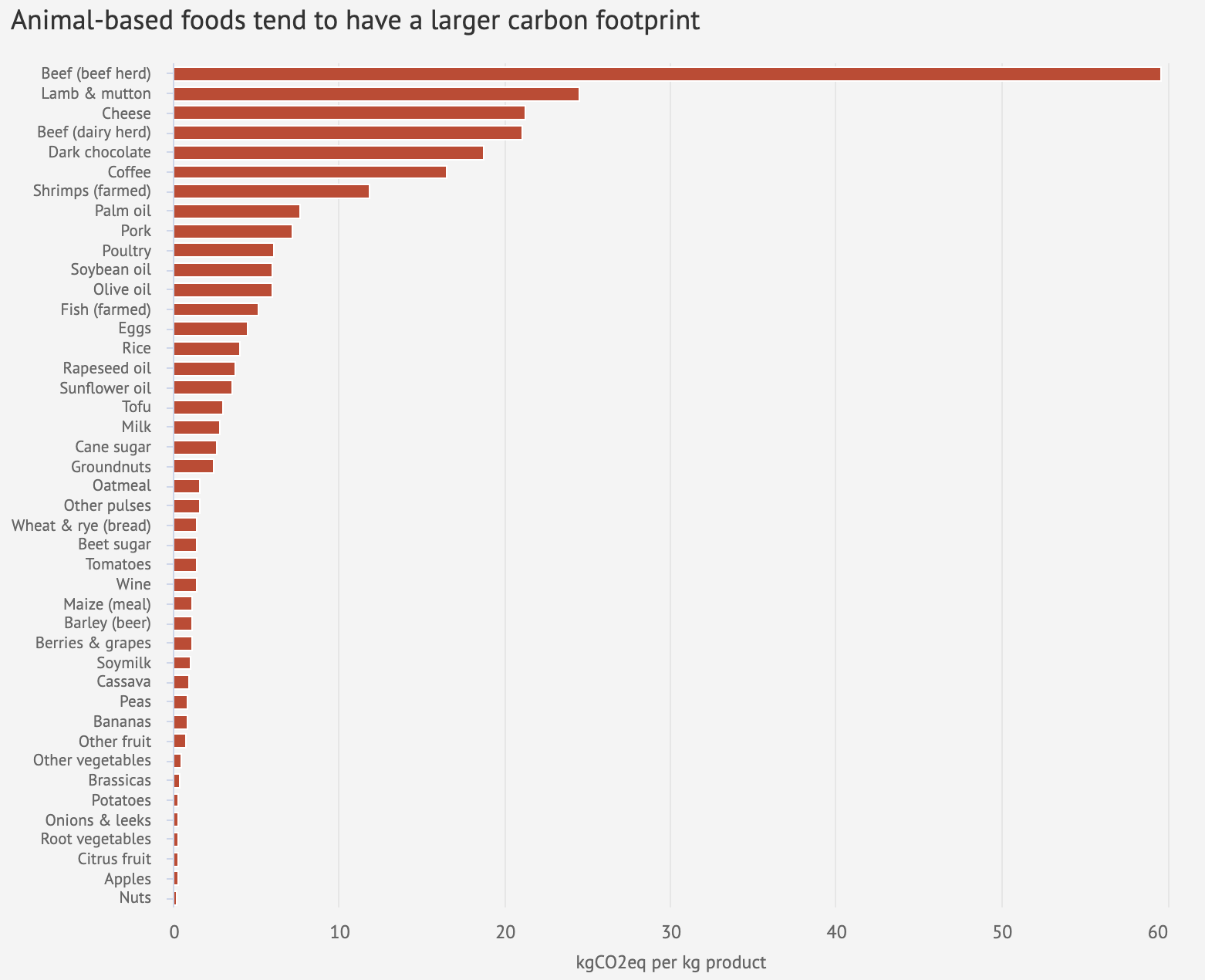
Some foods are far better for the planet (and your body) than others. If you want to reduce your environmental impact, try to replace meat and dairy with legumes, leafy greens, and seasonal fruits and vegetables. And, ideally, foods that don’t have to travel too far to reach you. For more inspiration, check out the BBC’s list of its top 10 sustainable foods.
Eat local and seasonal foods
Following the point above, eating local and seasonal foods is a great way to reduce your carbon footprint and align your diet with natural growing cycles. Since moving from Australia to Germany, I’ve been eating much more seasonally, and it has given me a newfound appreciation for fresh food. These days, I really look forward to specific foods that are only available at particular times of the year (Germans, for instance, go literally crazy for asparagus).
Buy (and actually use) a reusable coffee cup
Manufacturing disposable coffee cups consumes precious trees, oil, and energy. It’s sensless waste. Instead, buy a reusable one that you like - such as a Keepcup or one of the many others - and take it with you to your local cafes. Speaking from experience, you might also be surprised how much less frequently you need to empty your home rubbish bin as a result.
Avoid buying bottled water – take your own water bottle instead
According to The Guardian, humans produce around 20,000 plastic bottles every second. It’s catastrophic for ecosystems and creates literally mountains of plastic waste, which is all derived from oil. The solution? Take a reusable water bottle when you go out and, if you can, simply avoid buying bottled water unless you have no other choice.
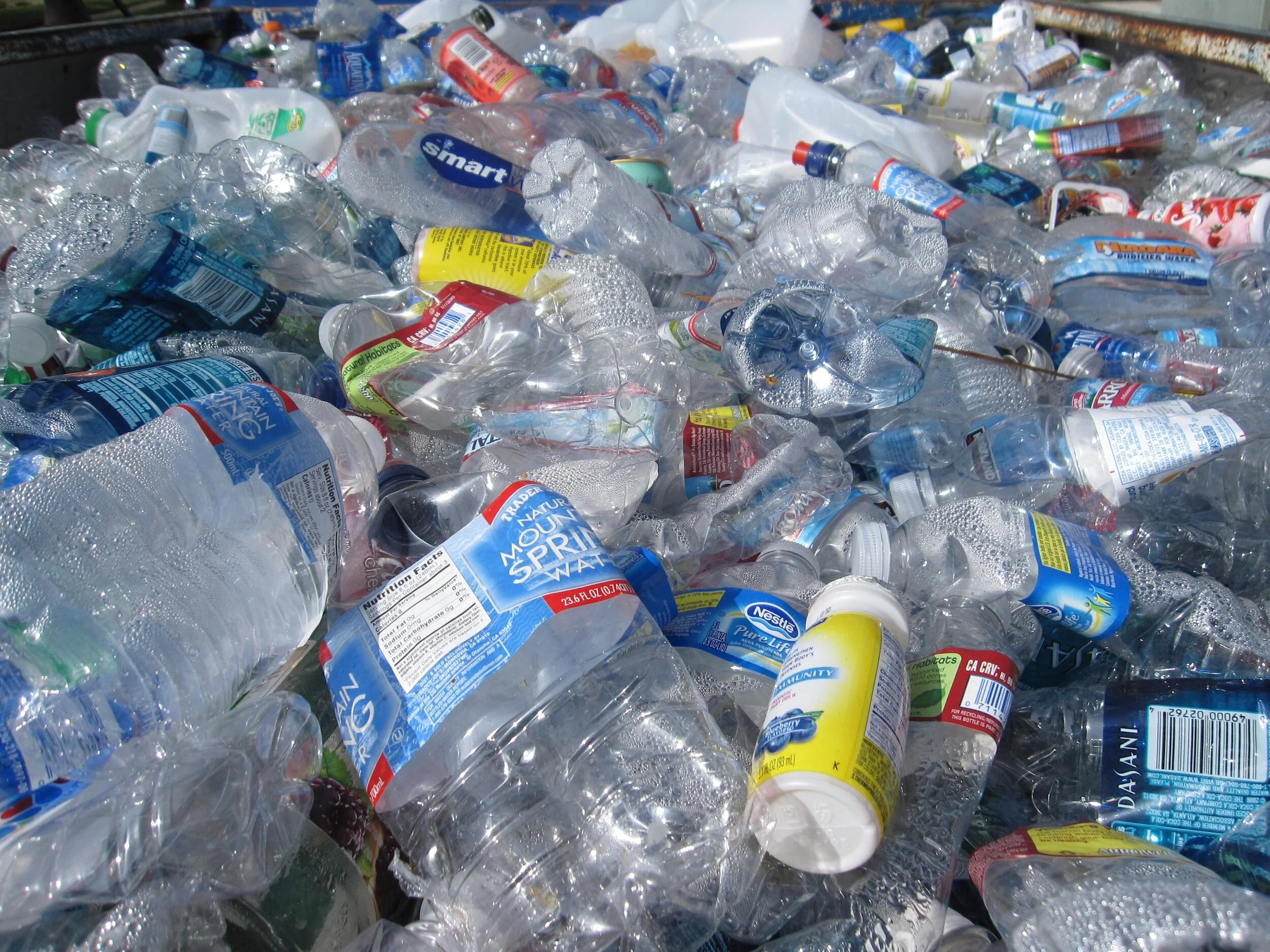
To reduce plastic waste, we first need to reduce the demand.
Aim to eat less meat, and ideally less beef
You don’t have to go vegan to fight climate change, but be aware that factory-farmed beef is pretty terrible for the environment, not to mention the cows. Try to reduce your meat intake and avoid beef if you can, or switch to lower-impact meats such as chicken or pork.
Switch to plant-based milk alternatives
I must say, I switched to Oatly about a year ago and have never looked back. I actually prefer the taste now. And its carbon footprint is around 75% smaller than regular cow milk.
Shopping
Take reusable shopping bags with you
It’s been a long, long time since anyone thought disposable plastic shopping bags were a good idea. Instead, buy a couple of high-quality reusable bags and take them with you every time you go shopping (and leave some in the boot of your car in case you forget). Additionally, invest in some reusable mesh produce bags for your fruit and veggies, which are another terrific way to reduce plastic and paper pollution.
Check out zero-waste stores (they’re pretty awesome)
This links directly to the reusable bags idea. Zero-waste stores are great for the environment and, certainly in my experience, are run by wonderful people. Additionally, with most of the traditional supermarket branding and advertising stripped away, I find that zero-waste stores give you a better appreciation of quality food and fresh produce.
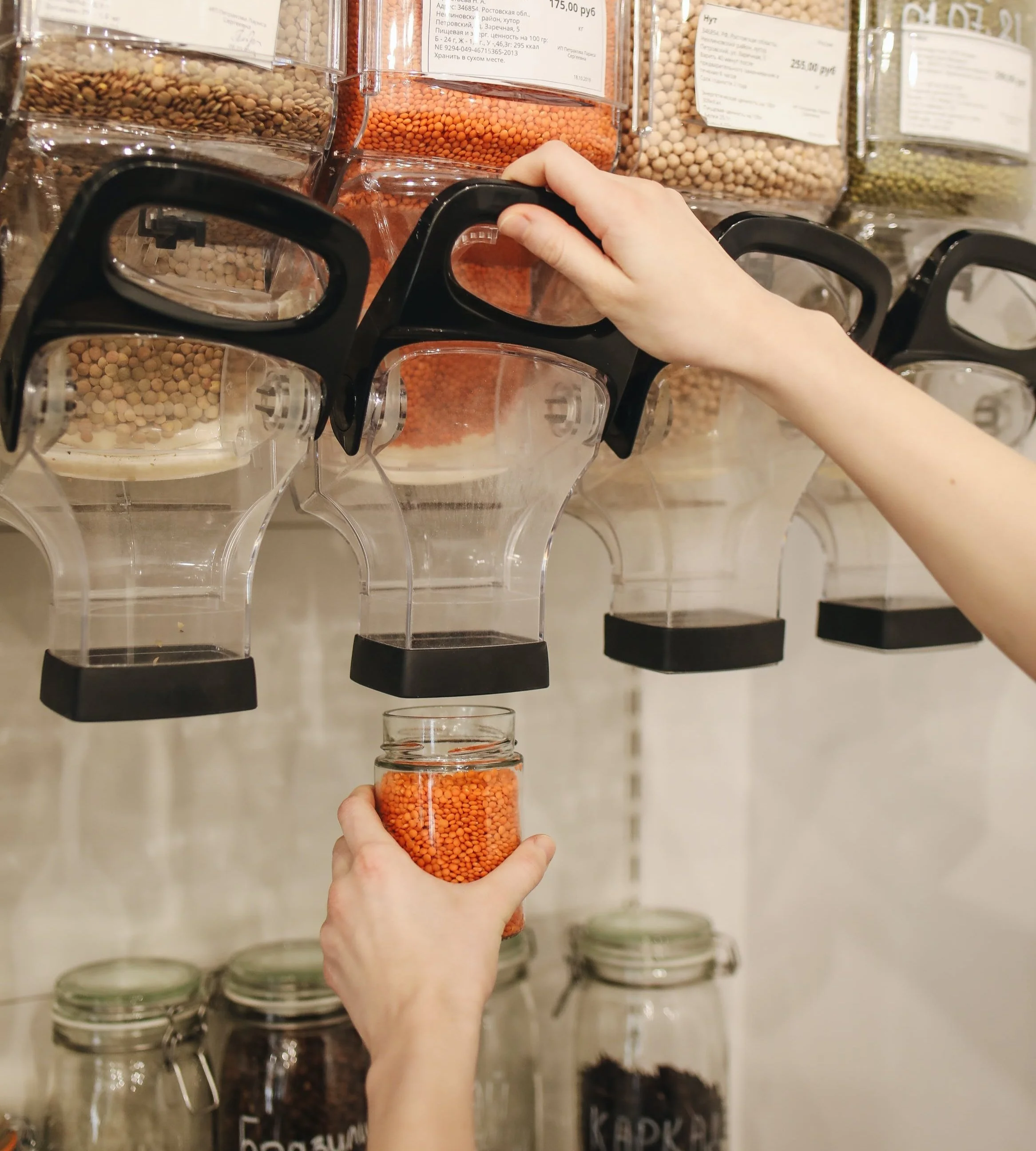
Zero-waste stores are awesome and generally run by awesome people.
Join a library, and buy second-hand books
Sure, it’s awesome (and impressive) to have a full bookshelf - but they don’t all need to be brand new. The best books are the ones that many different people get to enjoy.
Two websites I have been trying out lately, with great results, are worldofbooks.com (based in the UK) and mediamops.de (based in Germany). They both sell a broad range of books, DVD’s and sometimes records and CDs as well.
Choose recycled toilet paper and kitchen towels
Making toilet paper and kitchen towels from recycled paper is far better than chopping down trees: the process uses less water and energy and creates less air and water pollution.
Use the “Too Good to Go” app
Too Good To Go has been around for a while, but I only started using it a few months ago - and it’s amazing. It’s an app that allows restaurants, cafes, and bakeries to sell their surplus or expiring food at super-low prices (generally just a few dollars/euros) instead of throwing it away. If that sounds like a simple and brilliant idea, that’s because it is.
Money and Finance
Switch to a bank that doesn’t invest in fossil fuels
Hold on to your hat, but a lot of banks aren’t very ethical. If you want to find one that’s not directly funding climate change, check out this list.
Change to a pension or superannuation fund that doesn’t invest in fossil fuels
Same as above, but I don’t have any handy links (yet). If this is important to you (and it should be), I suggest doing some research into where your money is invested.
Looking to invest? Consider green energy ETFs
If you want to invest some money directly into the energy transition, consider a green ETF. They can include companies that produce electricity from solar, wind, and hydro, as well as manufacturers that make solar panels, wind turbines, and other components needed to generate clean energy.
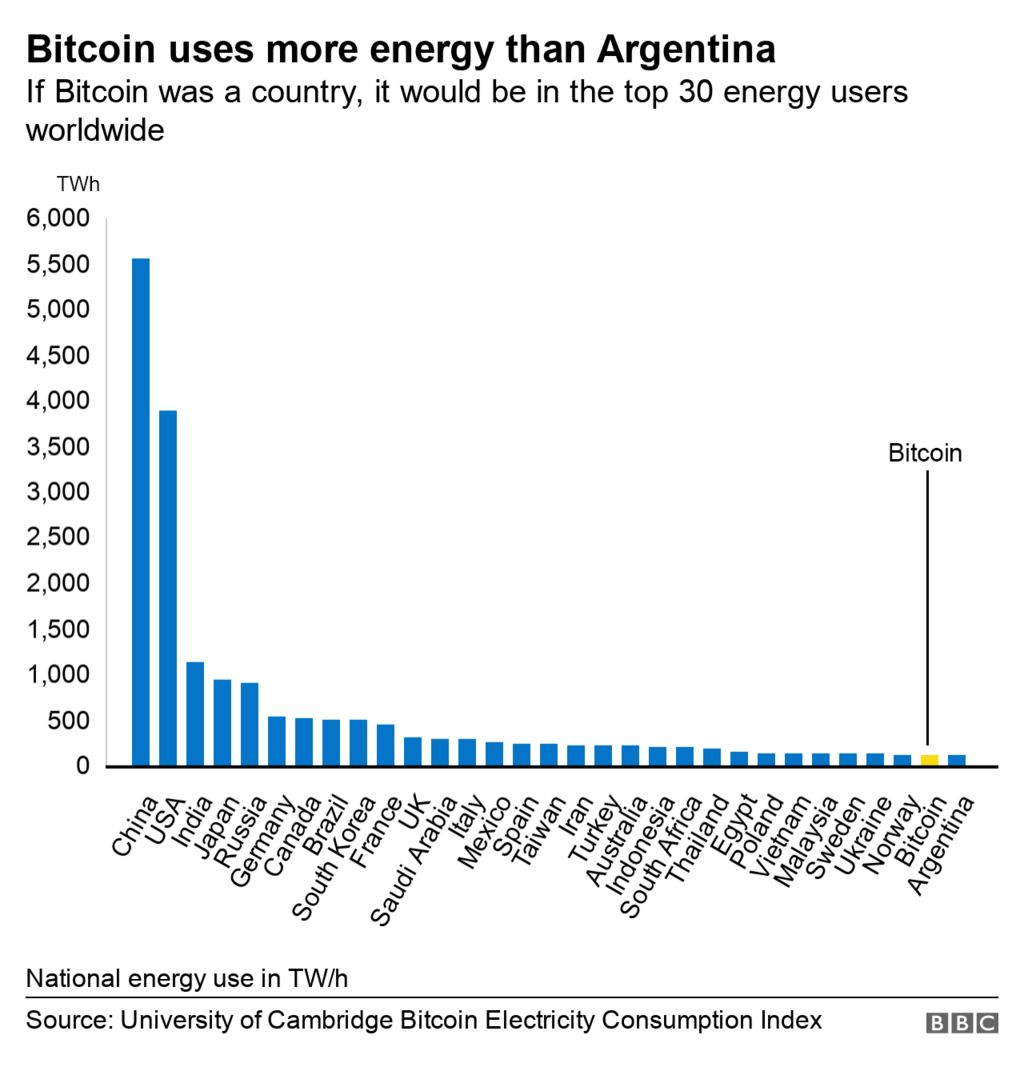
Don’t mine Bitcoin or any other “proof of work” cryptocurrencies
“Proof of work” is essentially “proof of energy consumed.” Bitcoin has a carbon footprint equal to the entire country of Argentina.
Home & Household
Ensure your home is well insulated (and free of draughts)
Insulation significantly reduces your heating and cooling costs while making your home more comfortable.
When replacing appliances, look for energy-efficient models
They consume less energy and water, reducing your environmental impact and your utility bills. Here’s a handy (UK) guide for green home appliances.
Try to have broken items repaired instead of replacing them
Repairing things saves you money in the long run and is far better for the planet.
Buy second-hand goods
Thrift stores, op-shops, second-hand retailers, online marketplaces: there are plenty of great options around. Will it buying pre-loved items save you money? Yes. Are they also better for the planet? Heck yes.
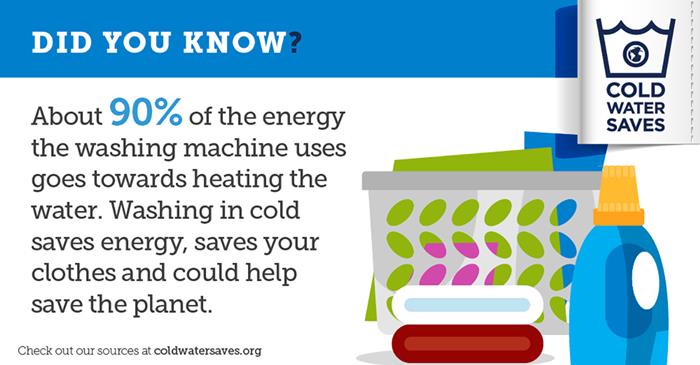
Wash your clothes in cold water
Using cold water can reduce your washing machine’s energy consumption by around 90%.
Air-dry your washing
Tumble dryers use an outrageous amount of electricity – more than some entire homes. Try not to buy or use one unless it’s absolutely necessary (I will admit, I do love a fresh hot bath towel.)
Turn your appliances off at the wall
Why pay for extra electricity when you don’t need to? This “phantom” power can be up to 10% of your household electricity.
Turn down your heating thermostat
Reducing your heating system’s temperature by one degree can reduce its energy consumption by 10%.
Kitchen
Start a kitchen compost for food scraps
Make the most of your food scraps, reduce your landfill waste, and produce your own organic fertilizer.
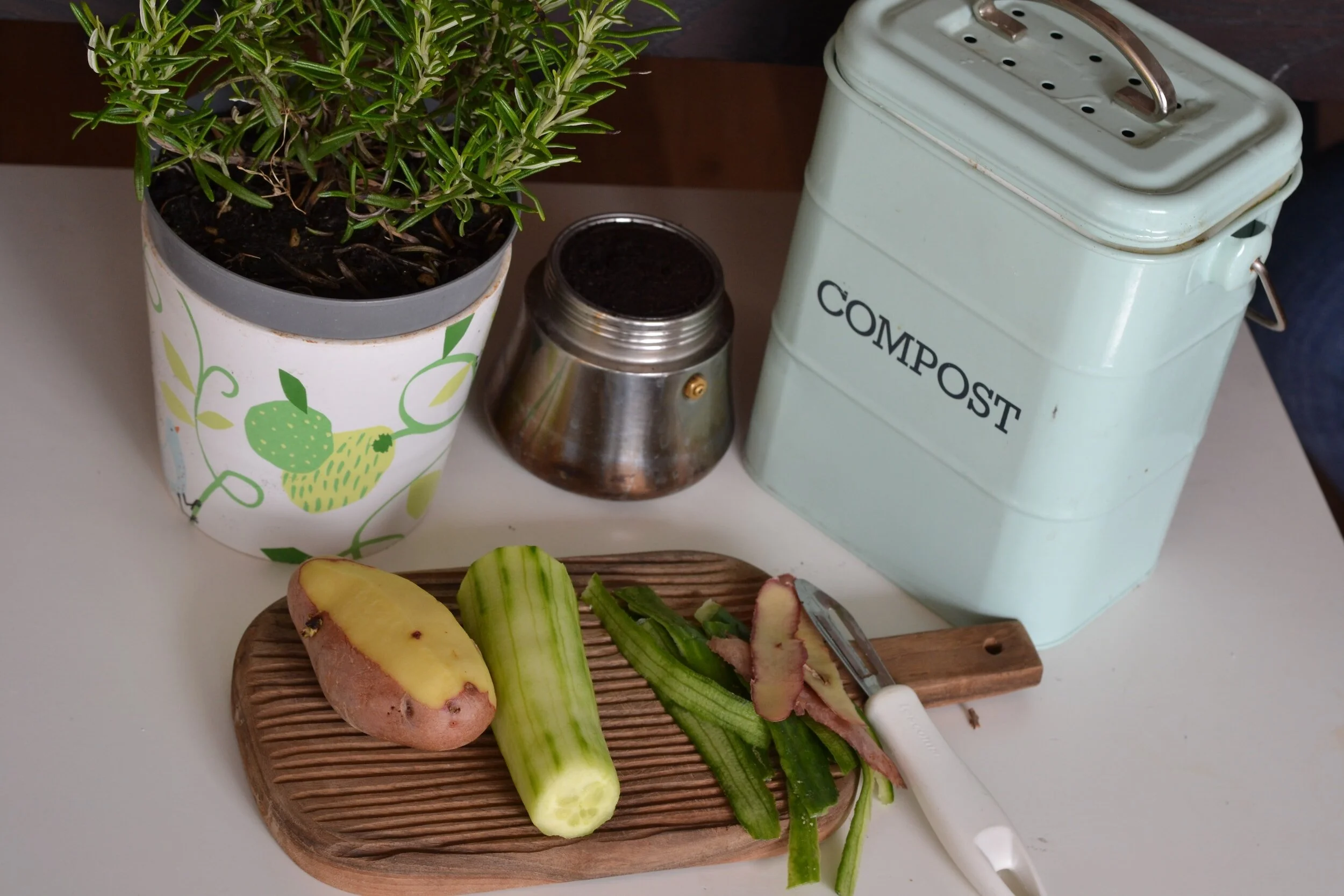
Kitchen compost ensures nothing goes to waste (and makes great fertilizer).
Avoid individually wrapped dishwasher tablets
Use dishwashing powder or buy tablets that can go straight into the machine.
Dust the back of your fridge and ensure it’s at least 10cm away from the wall
Your fridge motor uses more electricity if it doesn’t have good, clean air – so give it some room to breathe.
Turn appliances off at the wall
“Phantom” power is an invisible energy-drainer in many households. If you have lots of kitchen appliances, turn them off at the power point or only plug them in when you need to use them.
Vehicles and Transport
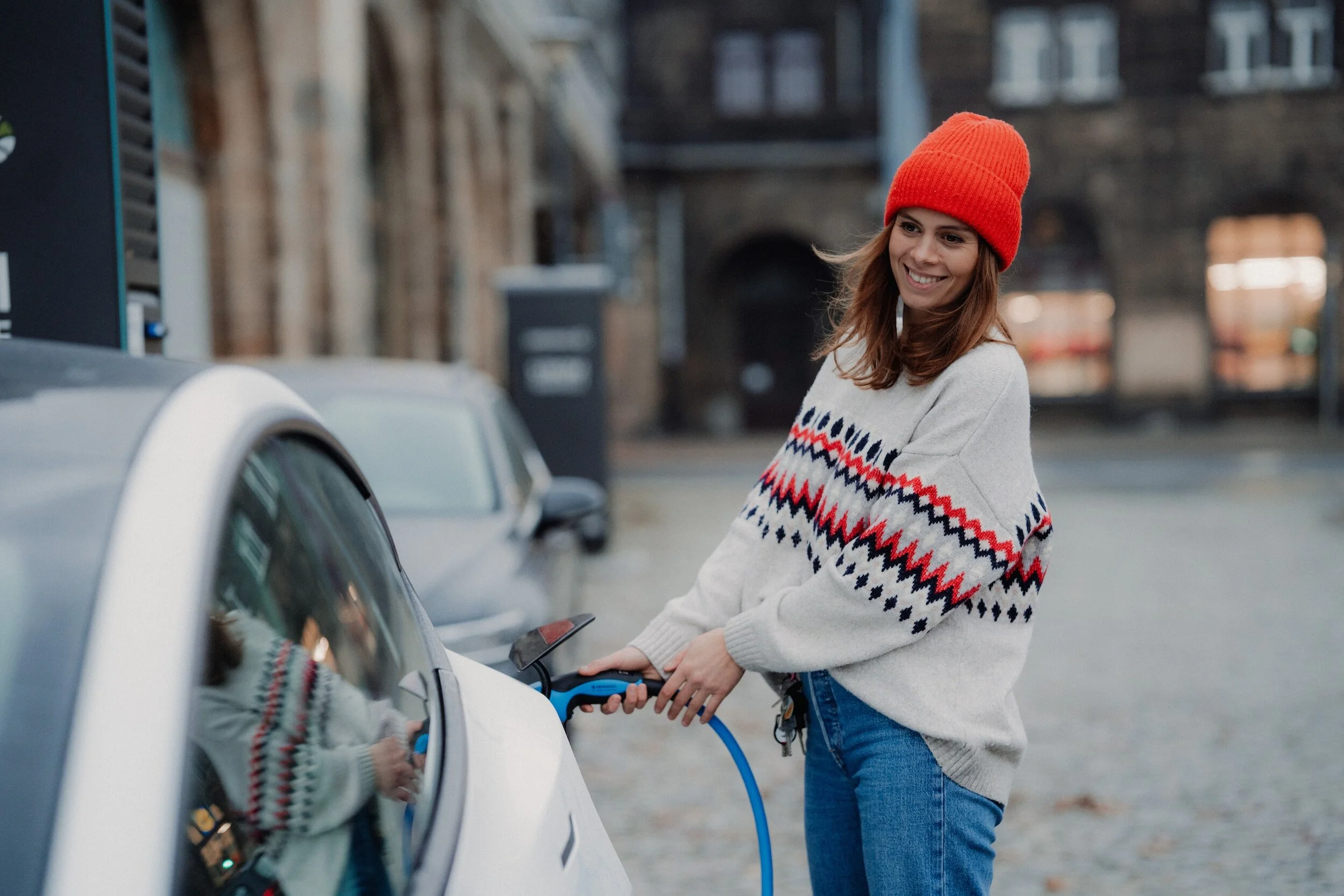
Any way you slice it, electric vehicles are the future of motoring.
Try not to drive unless you really need to
I probably don’t need to explain this one. To get where you need to go, consider more climate-friendly options such as bus, train, tram, subway, or car sharing.
Don’t fly unless you absolutely need to
This one also goes without saying. If you can, consider alternatives such as bus, car sharing, high-speed rail, or even overnight trains.
Shopping for a brand-new car? Go electric
No matter how you look at it, electric cars are better for the environment than ICEs – cars that literally burn fossil fuels. And if you can charge your electric car with renewable energy – even better.
Walk or ride a bike (but ideally not an e-bike)
E-bikes are cool, but their batteries dramatically increase their environmental footprint. Try to walk or ride a pushbike instead - the planet (and your body) will thank you.
Power and Energy
Install solar panels on your house/apartment/office (if you can)
The world needs all the clean energy it can get. Quality solar panels will generate clean electricity for up to 40 years, require virtually no maintenance, make no noise, and have no moving parts. They are literally a green energy investment that will pay for themselves many, many times over.
Switch to 100% clean energy through your power company
If you’re not sure if you can, call your retailer and ask. Switching to 50% or 100% renewable energy may only cost a little more, or in some cases, nothing. If you’re lucky, you may already be on a clean energy plan by default.
Technology
Buy second-hand and refurbished tech
Of course it’s appealing to get the newest iPhone 37 or the Garmin watch 14.17a Turbo Max, but we often don’t need brand-new versions of everything. Consider replacing your outdated phone/computer/watch etc with a second-hand or refurbished model, such as from places like Backmarket.
Make Ecosia your default search engine (on all devices)
Ecosia is probably my favourite company in the world. It’s like Google, but uses 100% of its ad revenue to plant trees. On average, it plants a new tree every 50 web searches.
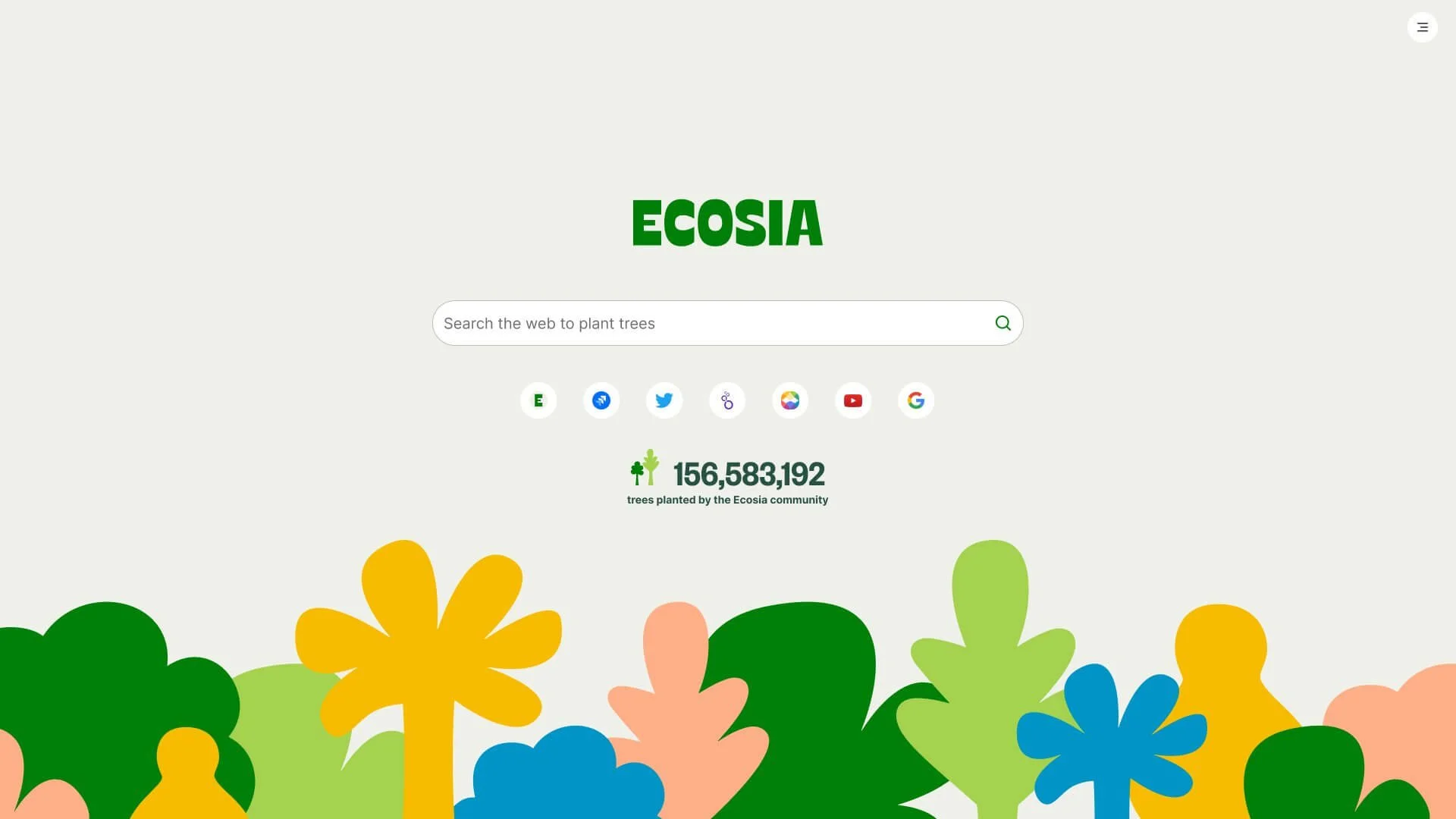
Ecosia is a search engine that has used its revenue to plant over 250,000,000 trees.
Recycle your electronic devices
As I’ve written about before, e-waste is getting out of control. Thankfully, there are many places that can give your devices a new life. Many supermarkets and department stores now offer free recycling services, so be sure to check those out.
Send fewer emails, especially “thank you” emails
Every email has a small carbon footprint, but we now send and receive around 350 billion emails every day. Try to avoid emailing unless it’s necessary, particularly “thank you” and “received” emails. Also, try to limit the size of attachments, as they all take up space on computer servers, which means they use electricity.
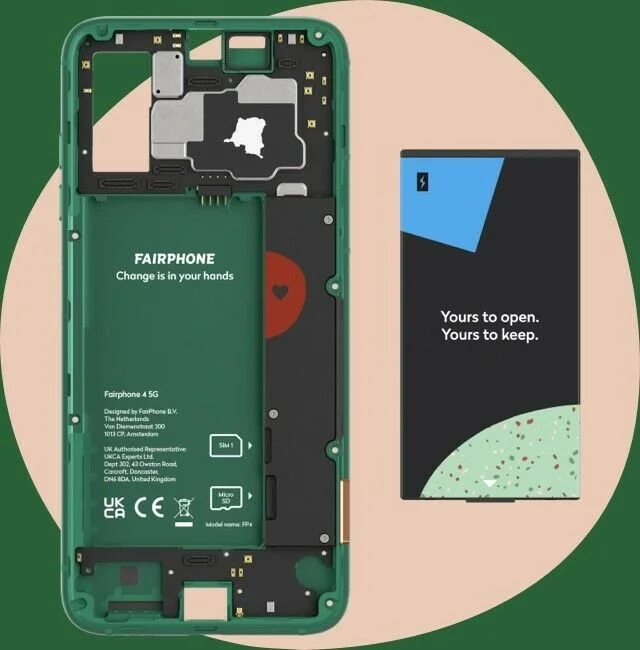
Remember when you could replace your phone battery? Fairphone does.
Buying a new smartphone? Consider a Fairphone
Fairphone is the world’s most ethical and recyclable smartphone, and it’s really not close. Its modular design means you can replace most of the components yourself. And with longevity in mind, it offers a 5-year warranty and up to 10 years of software updates.
Got a website? Use a green host
The company hosting your website can directly influence your digital carbon footprint. This list by Tech Radar can help you discover green web hosting companies that have a smaller environmental imapct, such as by using renewable energy and planting new trees.
And that’s everything…for now. I’ll keep updating the list as time goes on, and feel free to leave your own ideas in the comments. ↓↓↓